Foshan woos chipmakers with shared pilot facilities
www.chinaservicesinfo.com Updated: Nov 16, 2026
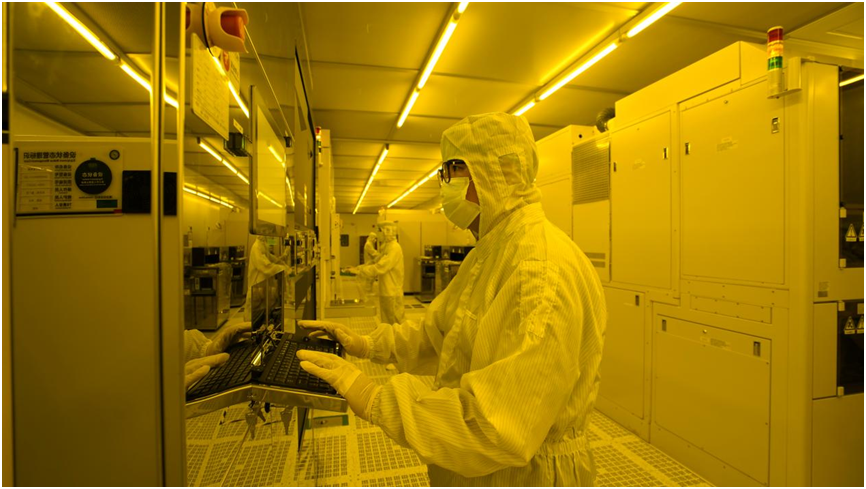
Foshan, a manufacturing hub in South China's Guangdong province, is seeking to attract semiconductor companies by offering access to shared pilot production facilities and highlighting local demand for chips.
The city released a list of 10 specialized semiconductor pilot facilities at a conference in Beijing on Oct 29. The facilities represent a combined investment of about 1.77 billion yuan ($265.4 million) and cover areas including semiconductor materials, wafer epitaxy, equipment manufacturing, and chip packaging and testing, according to the city's science and technology bureau.
In June, Foshan identified the semiconductor sector as one of its seven priority industries. The city's 135 semiconductor and integrated circuit companies have a combined annual revenue of about 13.4 billion yuan, Foshan Daily reported on Nov 6.
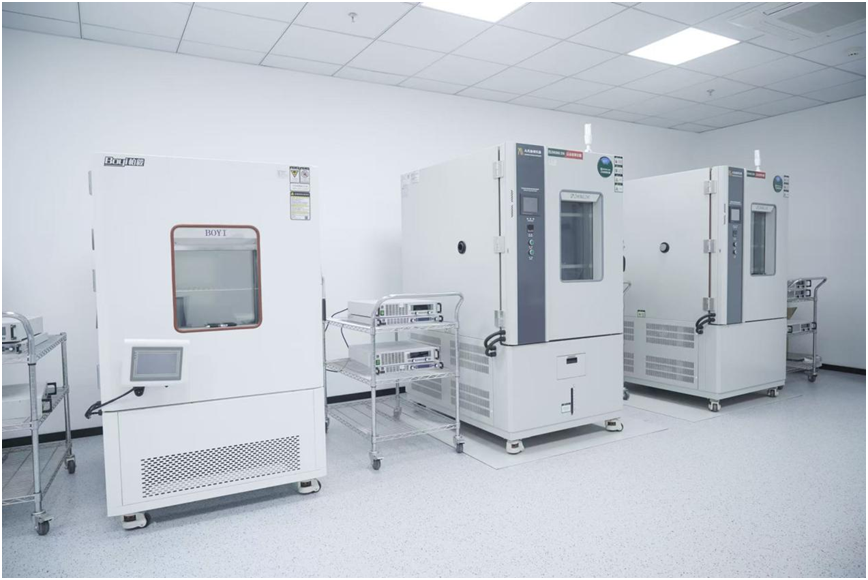
Chen Zhi, an official with Foshan's science and technology bureau, said the city’s makers of smart home appliances need an estimated 10 billion yuan worth of chips a year. The city hopes to use that demand to attract more chip companies, he said.
Lu Haihang, board secretary at Foshan-based chip designer Halo Microelectronics Co Ltd, said the city's biggest advantage is its manufacturing base. Many local companies need artificial intelligence tools to upgrade their operations, he said.
In Foshan's Nanhai district, the Guangdong Institute of Semiconductor Micro-Nano Manufacturing Technology provides pilot-scale processing for silicon wafers and gallium nitride-on-silicon wafers.
Wang Hui, the institute's executive vice-president, said companies can use shared equipment to validate products faster and reduce upfront equipment costs. Once a product gains wider market acceptance, he said, a company can seek financing to build its own production line.
The Foshan subsidiary of Red & Blue Microelectronics (Shanghai) Co Ltd used a local pilot line to produce an 8-inch gallium nitride wafer.
Yang Zhanwu, chairman of the Foshan subsidiary, said its development cycle had shortened to between nine and 12 months. Once the company identifies a new market need, it can have a product ready for mass production within that timeframe, he said.