Rudong: A livable, business-friendly coastal county
en.nantong.gov.cn Updated: Nov 16, 2026
Located on the southern coast of the Yellow Sea, Rudong county in Nantong, Jiangsu province, has long been shaped by the sea and continues to draw strength from its maritime resources.
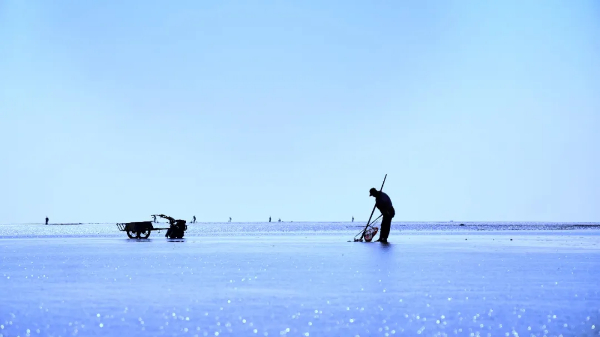
It has an 86-kilometer coastline, 4,555 sq km of sea area and over 66,667 hectares of tidal flats. It produces one-third of China's nori and is known for its clam.
The Xiaoyangkou spoon-billed sandpiper wetland is included on China's first national list of important habitats, while the Xiaoyangkou and Yangkou Port – Dongling coastal sections have been designated as provincial "Beautiful Bay" demonstration projects.
Rudong is home to a leading county-level offshore wind cluster with a complete supply chain spanning blades, towers and submarine cables. New energy, new materials and new equipment output has exceeded 120 billion yuan ($16.7 billion).
Yangkou Port's Sunshine Island, a national energy hub, receives Liquefied Natural Gas (LNG) tankers and helps secure energy supplies for the Yangtze River Delta. The port's deep-water shipping channels are also facilitating foreign trade and attracting investment.
The county is advancing major provincial projects, strengthening cross-river integration with Shanghai, and streamlining approvals and project support for businesses.
It is also improving quality of life for its residents, with the urbanization rate now sitting at 62.4 percent. It has 26 pocket parks and a 15-minute fitness and leisure circle, home-based elderly care serving over 80,000 people, and some communities recognized as national models for age-friendly living.
Talent stations, housing vouchers and night schools support young residents. Over the past five years, 34,200 hectares of high-standard farmland have been developed, improving rural living conditions.